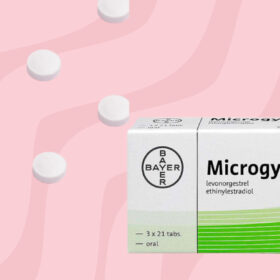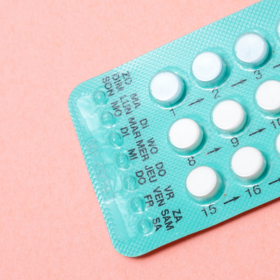
Combined Pill VS Mini Pill
In this article
What's the lowdown?
The two types of pill are the combined pill and progestogen-only pill
You start and take the pills in slightly different ways
The combined pill is good at treating acne, period problems and giving predictable bleeds
The progestogen-only pill is generally safe and easy for most women to take but can have annoying bleeding side effects
The choice between the two is individual based on your wishes and medical history
The two types of contraceptive pills, the combined pill and the mini pill (also known as the progestogen only pill or POP) are a popular form of contraception amongst many women.
In this article, we give you the lowdown on the differences, side effects and our user experiences of both the contraceptive pills.
What is the difference?
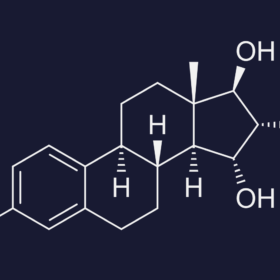
Combined oral contraceptive pill: This contains oestrogen and and artificial version of progesterone, which are produced naturally in the ovaries.
Progestogen only pill: This contains a synthetic progestogen hormone, similar to the natural progesterone produced by the ovaries.
Progestogen-only pills are different to combined pills because they don’t contain the hormone oestrogen. These are available through your GP or sexual health clinic and you can also order the mini pill or combined pill for free through The Lowdown. We have a range of mini pills on offer, including:
How do they work?
Both the combined pill and POP are a small tablet you swallow daily.
The combined pill prevents pregnancy in three ways: by stopping ovulation, making the fluid in your cervix thicker (which makes it more difficult for sperm to enter the womb) and thinning the lining of your womb so a fertilised egg cannot implant and grow in it.
The POP prevents pregnancy by making the fluid in your cervix thicker (which makes it more difficult for sperm to enter the womb), and preventing the lining of your womb thickening enough for a fertilised egg to implant and grow in it. POPs containing desogestrel and drospirenone can also stop ovulation.
How do you take the pill?
Combined pill
- You can start taking the pill at any point in your menstrual cycle if you are sure you are not pregnant
- If you start up to and including the 5th day of your period you are protected against pregnancy immediately (if you have short menstrual cycles (less than 28 days) this may not be the case so get advice)
- If you start at any other time in menstrual cycle use additional contraception such as condoms for the first 7 days of pill taking
- The standard way of taking the combined pill is to take a pill every day for 21 days (the length of a packet) then have a 4 to 7 day break during which you will usually have a bleed like a period, before starting a new pack again
- You can also take the combined pill as a tailored regimen. This may include taking the pill for 21 days and stopping for 4, taking 2 or 3 packets back to back without a break, or taking the pill continuously without a break.
Progestogen-only pill
For the progestogen only pill the advice differs depending on type.
POPs containing desogestrel, levonorgestrel or norethisterone:
- You can start at any time in menstrual cycle if sure not pregnant
- If you start taking the pill during the first 5 days of your period you are protected against pregnancy immediately (if you have short menstrual cycles (less than 28 days) this may not be the case so get advice)
- If you start at any other time in your menstrual cycle use additional contraception such as condoms for the first 2 full days of pill taking
- You should continue to take the pill every day, at the same time each day, with no breaks between packs
- For POPs containing desogestrel you need to remember to take your pill within 12 hours of your usual time, for other POPs you have a 3 hour window to remember.
POPs containing drospirenone (Slynd):
- You can start at any time in menstrual cycle if sure not pregnant
- If you start taking the pill on the first day of your period you are protected against pregnancy immediately (if you have short menstrual cycles (less than 28 days) this may not be the case so get advice)
- If you start at any other time in your menstrual cycle use additional contraception such as condoms for the first 7 days of pill taking
- The drospirenone pill comes in packets of 24 active pills and 4 placebo (sugar or dummy) pills
- You should continue to take the pill every day, at the same time each day, with no breaks between packs
- Some people choose to skip the placebo pills and continue to only take active pills, this can stop withdrawal bleeds
- For POPs containing drospirenone you need to remember to take your pill within 24 hours of your usual time.
What to do if you miss a pill?
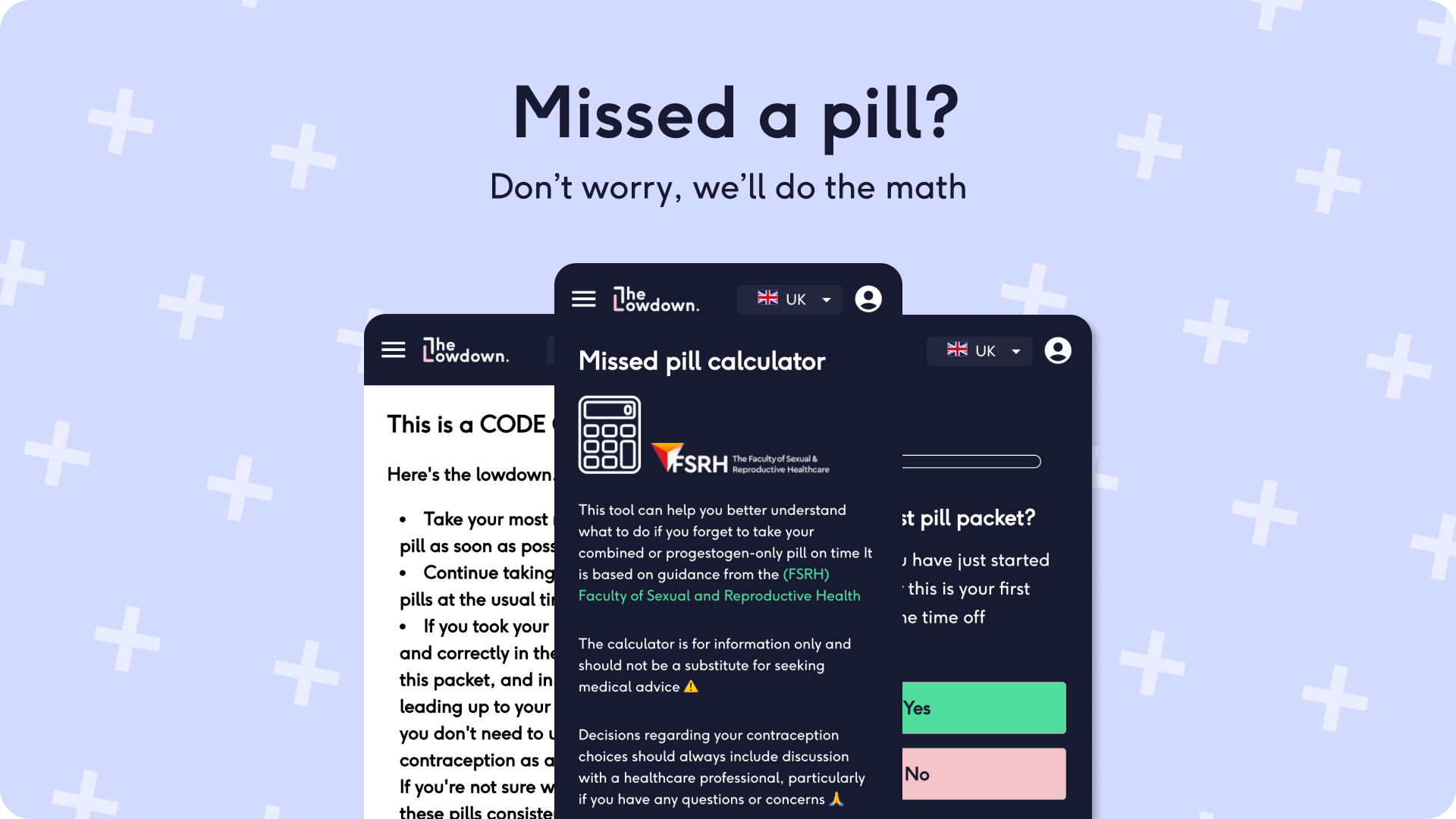
Use The Lowdown’s missed pill calculator to determine whether you may need to use additional contraception such as condoms and consider emergency contraception. The outcome will vary depending on which type of pill you’re taking, how many pills you miss and where in your packet you are.
Side effects of the pill:
Side effects of the combined pill:
- Headaches
- Nausea
- Mood swings
- Changes to libido (sex drive)
- Enlarged breasts and breast tenderness
- Vaginal discharge
These are usually temporary and settle after the first few months. However if they continue or are bothering you speak to your doctor or nurse.
Side effects of the progestogen-only pill:
- Spots or acne
- Irregular bleeding or spotting
- Prolonged or frequent bleeding
- Tender and enlarged Breasts
- Headaches
- Mood changes
- Changes to libido (sex drive)
- Nausea
- Small fluid-filled sacs (cysts) on your ovaries that are usually harmless and disappear without treatment
Generally the POP is well tolerated. Side effects may improve after the first few months of taking it. If they continue or are bothering you speak to your doctor or nurse.
Advantages of the pill
Pros of the combined pill:
- Usually makes your bleeds regular, lighter and less painful
- Gives you the choice not to have a monthly bleed
- May help with premenstrual symptoms, PMS and PMDD
- Improves acne in some people
- May reduce menopausal symptoms
- Helps with problems associated with polycystic ovary syndrome (PCOS)
- May reduce the risk of recurrent endometriosis after surgery
- Reduces the risk of cancer of the ovary, uterus, and colon
- May reduce the risk of fibroids, ovarian cysts and non-cancerous breast disease
Pros of the POP:
- Periods may get lighter, less frequent or stop altogether
- Useful if you can’t take oestrogen, like in the combined pill, contraceptive patch or vaginal ring
- You can use it at any age, but it’s especially useful if you are over 50, or smoke and are over 35 (when you are usually advised not to use the combined pill)
- May help with premenstrual symptoms and painful periods
Disadvantages of the pill
Cons of the combined pill:
- You may get temporary side effects at first including headaches, nausea, breast tenderness and mood changes; if these don’t stop within a few months, discussing with your doctor or nurse and possibly changing the type of pill or contraception method may help
- The pill doesn’t protect you from sexually transmitted infections, so you may need to use condoms as well
- Breakthrough bleeding (unexpected vaginal bleeding on pill taking days) and spotting is common in the first few months of use
- The pill may increase your blood pressure
- Taking the pill is associated with a small increased risk of some serious health conditions, such as blood clots and breast cancer
Cons of the POP:
- Your periods may change in a way that’s not acceptable to you (your periods may be lighter, more or less frequent, or may stop altogether, and you may get spotting between periods)
- The POP doesn’t protect you against sexually transmitted infections, so you may need to use condoms as well
- You may get some side effects when you first start taking the POP, such as spotty skin, breast tenderness and headaches. These may stop within a few months.
- The POP is assciated with a small increased risk of breast cancer
Lowdown Reviews
We have thousands of reviews of all the different types of pill brands to help you decide.
‘Made my skin loads better. Did take around 6-8 months for my skin to improve though. The first week of taking the pill I became so emotionally sensitive, which is unlike me. But after a week I seemed to return to normal. I am pretty prone to thrush but I found it has increased my likelihood. Other than that I would recommend this pill’ – COMBINED PILL
‘Been on it for a few years now. Highly recommend don’t have a period at all now.’ – POP
You can also use our comparison tool to compare the side effects between different brands.
Where can you get the the combined pill or POP from?
You can get your contraception from your GP or sexual health clinic, or order your pill prescription free from The Lowdown and have it delivered directly to your door!
You will need to answer our short questionnaire about your medical and family history, and provide a recent blood pressure reading and weight measurement if you would like the combined pill.
If you’re still unsure which pill will suit you, try our recommender tool or book in with one of our fab women’s health doctors.

Maddie Braidwood
Maddie is an English Language and Linguistics graduate who is passionate about writing. She writes fun and informative content on the weird and wonderful sides of contraception!
Our medical review process

This article has been medically reviewed for factual and up to date information by a Lowdown doctor.