
Can perimenopause cause headaches
In this article
What's the lowdown?
Hormone levels vary in perimenopause and can result in headaches
Perimenopause can also be a stressful time, and other physical and emotional issues can make you more prone to headaches
Usually, headaches in perimenopause are nothing to worry about, but there are a few symptoms you should be aware of to look out for
There are a few tips and tricks that can help with headaches, and medication can also be used
Can perimenopause cause headaches?
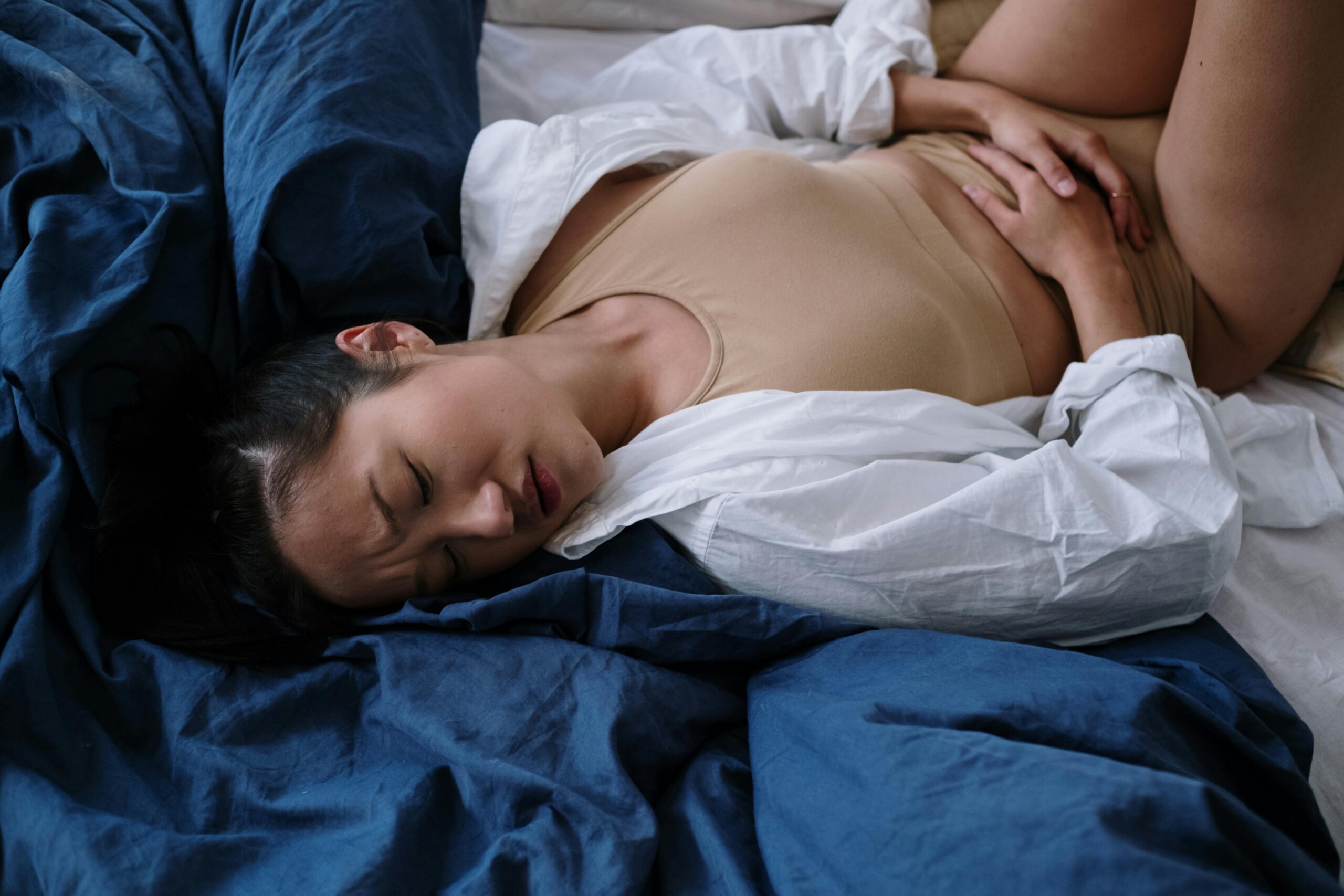
Suddenly suffering daily headaches? Sore, tight, head, or pressure sensations? It is not just in your head! Headaches are common in the perimenopause period and up to 90% of perimenopausal women get them alongside many different symptoms of perimenopause.
What causes headaches during perimenopause?
During perimenopause the level of oestrogen and progesterone produced by your ovaries changes. This can cause a huge number of symptoms. In fact, some of the most common symptoms are changes in your menstrual cycle, hot flashes (or hot flushes!), joint pain, and headaches.
As well as the hormonal changes that are going on in perimenopause, it is also often a stressful and emotional time in women’s lives. Many women suffer frequent mood swings. This in itself can contribute to headaches. Sleep quality is often affected in perimenopause too. When you add all these issues together, you’ve got the perfect recipe for headaches.
Different types of headache
There are a few different types of headache that often happen in perimenopause. They earn themselves different names as they tend to have different features. It can be helpful to know what kind of headache you are suffering with so that you can get the right treatment.
Here are some of the most common types of headache ;
Tension-type headaches
Most people describe tension headaches as though there is something being pressed on your head or being tightened around it1. Your head might hurt more when it is touched1. A tension headache is the most common type of headache you may suffer in perimenopause.
Migraine
Migraines usually feel like intense throbbing. Often you might also experience nausea (feeling sick) or vomiting. Some people feel that lights are too bright or want to lie down in the dark2. The pain of a migraine can be very intense and stop you functioning normally. Perimenopause migraine headaches are generally caused by hormones going up and down, so if you usually suffer with migraines, you might start to have more of them in perimenopause.
Cluster headaches
Cluster headaches are severe attacks of pain that can last for long periods. They usually cause a stabbing or burning sensation on one side of the head3. They are fortunately less common than migraines, but can be intensely painful.
Could the headache be due to something else?
Tension-type headaches and migraine are the most common types of headache in perimenopause. They can be upsetting and impact your quality of life. There is usually no dangerous underlying cause. However, there are a few warning signs you should look out for. You should see your doctor if you have a headache as well as;
- jaw pain when eating
- blurred or double vision
- a sore scalp
- Pain that is waking you up at night
- The pain is worse when you cough or sneeze
- Vomiting or persistently feeling sick
If your headache goes alongside weakness in your arms or legs, any difficulty with your speech, or the muscles in your face have become droopy on one side, you should call an ambulance. These can be signs of a complex migraine, but also a stroke, which needs to be ruled out and tested for by specialists.
Having said all of that, most headaches in perimenopause are caused by nothing more serious than our old friends oestrogen and progesterone. Suffering with daily headaches in perimenopause is miserable and can affect your quality of life. Read on for some tips on what you can do to help.
How to manage headaches during perimenopause
How best to tackle a headache depends on what type of headache you are suffering with. There are a few principles that always apply;
Sleeping well
Perimenopause can cause havoc with your sleep patterns. Paying attention to your sleep routine, avoiding too many coffees, and getting plenty of exercise can be helpful. Our article on how to manage trouble sleeping in perimenopause has some more information on this.
Hydration is key
Being dehydrated on its own is enough to cause a headache4. Fluctuating hormone levels alongside dehydration sets you up to suffer a headache. Try to swig at least 1.5 litres of fluid every day. Studies have shown that doing this reduces how often headaches happen and how long they last5. Remember that caffeinated drinks like tea and coffee can be dehydrating.
Stress management
When we are stressed out, all the muscles in the head and neck tighten up and can leave you feeling achey and sore. Perimenopause is a whole mind-body experience, and mood swings are common. Avoiding stress isn’t always easy. You might want to try cognitive behavioural therapy (CBT) to help manage things6. CBT can also help with some physical symptoms such as hot flashes.
Pain killers
Paracetamol, aspirin or ibuprofen are often all that is needed. Be careful though; using painkillers too often (15 days a month or more) can itself cause headaches7. You could try using a cool pack on your head as an alternative.
Supplements
Supplements that contain vitamin B2 are thought to help reduce how often hormonal headaches happen8. Magnesium supplements are also proven to help headaches and other perimenopause symptoms9 .
Check the screen
Eye strain caused by looking at screens can cause headaches10. Make sure your prescription is up to date if you wear glasses. Make sure you are taking frequent breaks to avoid setting off a headache.
The best medication for headaches during perimenopause
Hormone replacement therapy (HRT) can be used for headaches, as well as other menopausal symptoms. It aims to replace the oestrogen and progesterone that are naturally declining in perimenopause. We have hundreds of reviews about different HRT regimens and how they have helped other women.
Hormonal contraception, especially those that stop ovulation (release of an egg) such as the Depo injection, can help to prevent migraines which are related to your menstrual cycle. Although if you have migraine with aura, you cannot take the combined pill.
Migraine-specific medications are available. Commonly used ones include ‘sumatriptan’ and ‘rizatriptan’. They can be used to reduce how long a migraine lasts when you get one. Other medications can be used to prevent migraines such as amitriptyline, topiramate or candesartan. Again, speak to your doctor if you would like to discuss these.
Headaches in perimenopause can be a real pain! Thankfully, they are usually not anything to worry about. Usually a combination of lifestyle changes, stress reduction, and some supplements will give you relief.
However, if you are worried about what is causing them or you need some medical support, speak to your doctor. Some simple tests can reassure you that there is nothing more serious going on. Suffering daily headaches in perimenopause isn’t something you have to put up with.

Dr Gemma Dovey
Medical Copywriter
Dr Gemma Dovey is a GP with a passion for women's health with experience of these issues herself as a patient. She loves communicating complex medical issues in a way that patients understand. She also have experience in writing and editing medical information, both for patients and for doctors.
Our medical review process

This article has been medically reviewed for factual and up to date information by a Lowdown doctor.