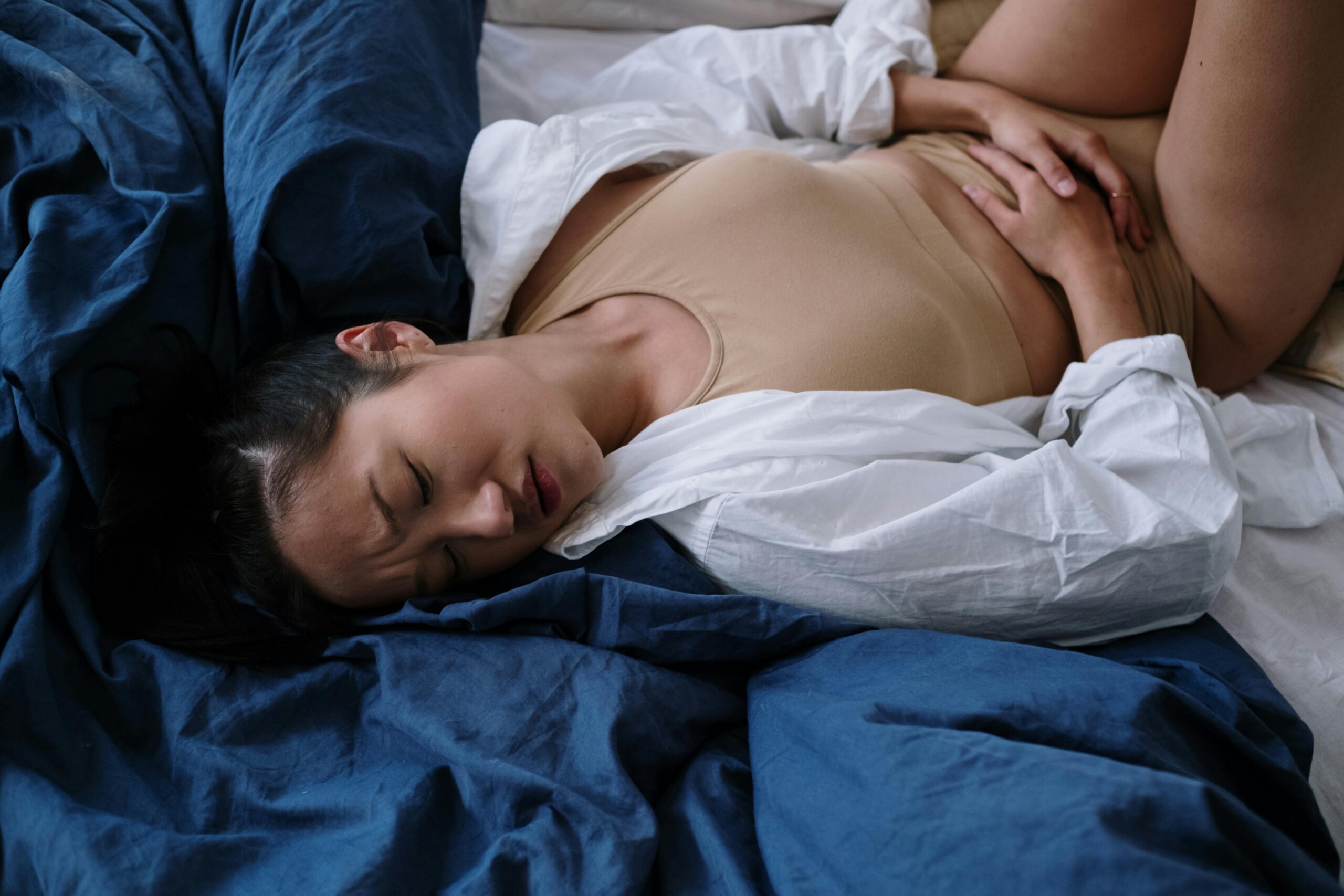

Can periods restart after menopause?
In this article
What's the lowdown?
During perimenopause, periods usually become irregular and cycle length can change, with periods eventually stopping altogether
Once you have not had a natural period for a full 12 months, you are officially postmenopausal
There are a few different reasons why vaginal bleeding can happen after you have gone through the menopause
If you have any form of blood loss from the vagina after the menopause you should always speak with your doctor
What is postmenopausal bleeding?
The menopause is when you have not had a period for 12 months. Any form of loss of blood from the vagina after you have gone through menopause counts as postmenopausal bleeding, whether it’s heavy, or light, or somewhere in between. It doesn’t matter if it is light pink, brown, or dark red, or if it only happens once. It also doesn’t matter if you are one week into the postmenopausal period, or twenty years down the line. Blood loss from the vagina still counts as postmenopausal bleeding and should always be checked out by a doctor.
The average age of menopause is around 51 in the UK1, so many women lead at least a third of their lives in the postmenopause period. Whilst many women may still experience menopausal symptoms after their menopause, having an unexpected period should not be one of them!
Can you have a period after menopause?
Our periods are triggered by a cycle of hormones that thicken the lining of the womb, and then cause it to shed (which results in your period). The main hormones that are responsible for this are oestrogen and progesterone, produced by your ovaries.
Once you have gone through menopause, your ovaries age and stop producing oestrogen and progesterone. Without progesterone, the lining of the womb doesn’t go through a cycle of thickening up and then shedding again each month2. Essentially, the lining of the womb thins out, and there is no blood present in the womb to lead to a period, so you can’t have a period after the menopause.
Can periods restart after menopause?
Periods cannot restart after natural menopause. However, if you have had a chemical or temporary menopause due to certain medications, then periods can restart when your ovaries start producing oestrogen and progesterone again.
If you have reached natural menopause, you will not produce enough hormones for periods to restart again.
What can cause bleeding after menopause?
Vaginal bleeding after menopause is not considered normal, and shouldn’t be ignored. You should always see your doctor for a check up. That doesn’t mean that there is a serious cause, but it can be a sign of some underlying conditions. These include:
Vaginal atrophy
This means that the skin of the vagina has become thinner and drier. It happens due to oestrogen levels becoming lower due to menopause. Lower oestrogen levels mean that the skin is more fragile and can be easily irritated, causing it to bleed. This can happen without a trigger, but might also be caused by sex or vaginal examinations.
If this is the cause of postmenopausal bleeding, you might find that you are also suffering with vaginal dryness and itching, painful urination, as well as painful sex. Vaginal lubricants or oestrogen cream or pessaries can help with these symptoms.
Thickening of the womb lining (medically called endometrial hyperplasia)
This happens when the lining of the womb has overgrown and become thicker than it should. This usually happens because your oestrogen levels are high but progesterone is low, so the lining produces lots of new cells, and thickens but does not shed. This can sometimes happen in women who are on hormone replacement therapy (HRT) who are not taking enough progesterone. This can usually be avoided by taking great care with your HRT. You can read more about this in our article explaining progesterone and HRT.
Endometrial hyperplasia needs to be treated effectively as if allowed to continue, it can lead to womb cancer3.
If you are perimenopausal (i.e you are still having periods) and you have just started HRT, you may have some irregular vaginal bleeding for the first six months. This is a common side effect of starting HRT and tends to settle down4. However, if you have any bleeding 6 months after starting HRT then you should speak to your doctor straight away.
Polyps or fibroids
Polyps and fibroids are non-cancerous growths of the lining of the womb or the cervix, and can sometimes cause vaginal bleeding. They become less common after the menopause, but may have been present before your periods stopped, so they may still cause bleeding. Often they don’t cause any symptoms other than bleeding, but if they are large they can cause pain in the tummy or in the back.
Endometrial cancer
Endometrial cancer means ‘cancer of the lining of the womb’ and may also be referred to as uterine cancer. Studies show us that 10% of women who have post-menopausal bleeding have an underlying endometrial cancer, and this is lower if you are taking HRT5,6. Endometrial cancer becomes more common in women who have gone through menopause. This does sound worrying, but it is important to remember that although it needs to be ruled-out, the vast majority of women who have post-menopausal bleeding don’t end up being diagnosed with cancer.
One of the common early signs of womb cancer is postmenopausal bleeding. Some women also experience bloating in their tummy, or back pain7.
There are also some less common causes of postmenopausal bleeding that you should be aware of, such as;
- Infections (such as thrush or sexually-transmitted infection)
- Being on medications that might make you bleed more easily (i.e aspirin or other blood thinners)
- Cervical cancer (which is unusual if you have kept up to date with your cervical screening tests).
When should I see a doctor?
If you have any vaginal bleeding after menopause, you should discuss it with your doctor, and not assume that it’s normal. Whether it’s one episode, a small or a large amount, it is important that you have some tests done to put your mind at rest and make sure it isn’t anything serious8.
Your doctor will ask you some questions about the bleeding and your general health. They will probably suggest that they examine your tummy and also do a vaginal examination to check the health of your cervix, look for vaginal dryness and maybe take some swabs to exclude infection.
They will also usually refer you to a clinic at the hospital where you may have an ultrasound scan and the lining of your womb can be tested for cancerous cells. This is usually done through a procedure called a hysteroscopy (a camera test looking at the lining of the womb)9.
After reading all of this, if you are suffering from postmenopausal bleeding, you may be worrying. Remember that whatever the cause turns out to be, it is best to get it checked out so that you can get the right treatment at an early stage. There are lots of different causes and it’s important to look after your health.

Dr Gemma Dovey
Medical Copywriter
Dr Gemma Dovey is a GP with a passion for women's health with experience of these issues herself as a patient. She loves communicating complex medical issues in a way that patients understand. She also have experience in writing and editing medical information, both for patients and for doctors.
Our medical review process

This article has been medically reviewed for factual and up to date information by a Lowdown doctor.